No Names on the Wall
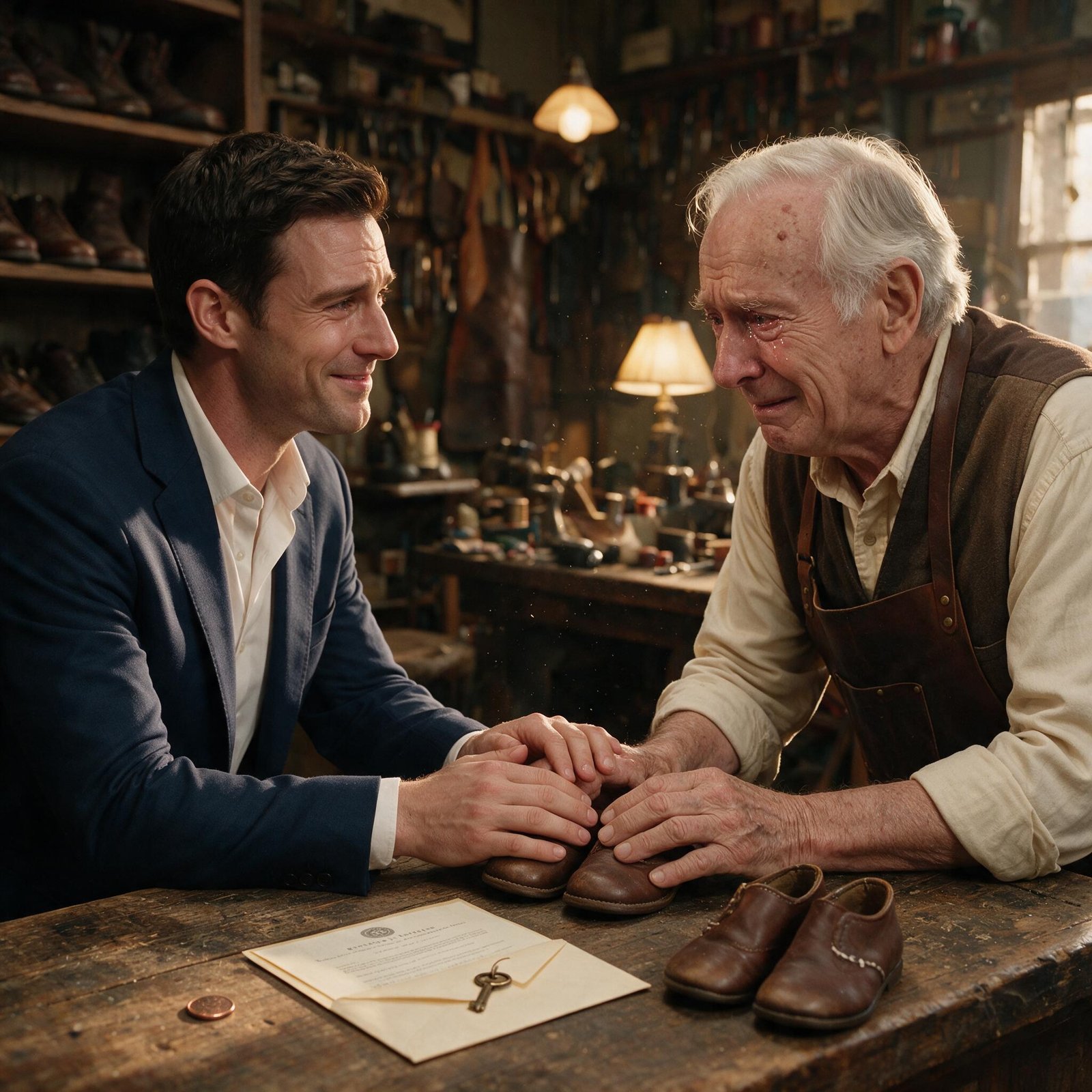
Daniel returned to the shop the next morning without the deed, the key, or a prepared answer.
Sam had asked his lawyer to hold the property envelope while she examined the title, the transfer papers, and every condition Daniel might have overlooked.
The old shoes remained on the counter between them.
Sam tapped the white repair stitches on the left shoe with one careful finger.
“You came back to settle a debt with me.”
Daniel nodded because denying it would only dress the same mistake in better language.
“I thought giving you the building was how I helped someone else.”
“I am not someone else.”
Sam had never loaned him a future and had never claimed a share of the life that followed.
He had simply placed good shoes on a frightened child and pointed the child toward the next person.
“Then show me where to point.”
Sam called Grace Moreno, a family-resource counselor who had sent customers to the shop for years without announcing why they needed help.
She arrived after lunch carrying a yellow legal pad instead of a camera, a press release, or a list of children's names.
Grace listened while Daniel described a fund large enough to buy every pair the shop could stock.
“Start with something a child can trust next month, not something adults can applaud today,” Grace said.
They settled on a one-semester pilot limited to twelve pairs.
School and community counselors would use their existing assistance reviews, then issue a numbered purchase card without writing a child's hardship on it.
The card would allow its holder to choose from a broad selection of practical shoes rather than receive whatever unwanted pair remained in a donation bin.
At the counter, the child would pay one penny and receive an ordinary receipt.
The shop would record only the card number, size, stock code, and wholesale amount eligible for reimbursement.
Grace's organization would retain the referral records under its normal privacy rules, while Sam would never need a family's case file.
The discarded brass plate lay facedown beside the proposal as a reminder of what Daniel had almost attached to the gift.
Grace reviewed the withdrawn publicity plan and asked whether his company retained any right to revive it.
“None,” Daniel said.
Sam pushed the sample plate away from the register.
“No names on the wall.”
“Not the children's either,” Grace added.
The final plan prohibited public announcements and requests for photographs or personal stories from participating families.
No child would pose with Daniel, hold up a penny for his company newsletter, or explain poverty to strangers in exchange for shoes.
The program would not carry Daniel's name, Sam's name, or the name of Daniel's business.
An accountant helped Grace establish a restricted community footwear fund through her nonprofit, separate from the shop's sales, wages, taxes, and repair income.
Daniel would seed the fund, which would reimburse Sam at wholesale cost for pilot pairs, replacement socks when needed, and difficult sizes.
Sam would record fitting time, exchanges, and register handling as his voluntary in-kind contribution, capped at a fixed number of service hours across the twelve referral cards so the pilot could not create unlimited unpaid work.
Daniel's contribution gave him no veto, branding right, or say over customers, inventory, staff, or the building.
With rent eliminated, regular sales could cover property taxes, insurance, routine maintenance, and the shop's remaining overhead if Sam accepted the deed.
Daniel's logistics company could add the program's cartons to existing regional routes under a written service grant with a clear end date.
Sam could replace that service whenever he wished, and no delivery driver would receive customer information.
Grace drew a line beneath the final rule on her pad.
“No one has to perform gratitude.”
Daniel thought of himself at ten, standing in torn shoes and promising repayment because receiving kindness without earning it had frightened him.
“Especially not that,” he said.
By late afternoon, the counter held a three-page pilot plan instead of a ceremonial plaque.
Sam read every page slowly, questioned the semester limit, and asked what would happen when the twelfth card had already been used.
Grace explained that her nonprofit would track available cards before a visit and could direct urgent needs to other established resources.
No child would reach the register and learn publicly that the semester's allotment had run out.
Sam added a rule allowing exchanges and later adjustments without requiring another referral.
Shoes that pinched after a week would be treated as a fitting problem, not a failure of gratitude.
Daniel signed the funding agreement first and left the program decisions to the people who would operate it.
Sam did not sign the deed, but he allowed Grace to issue the first purchase card while his lawyer finished her review.
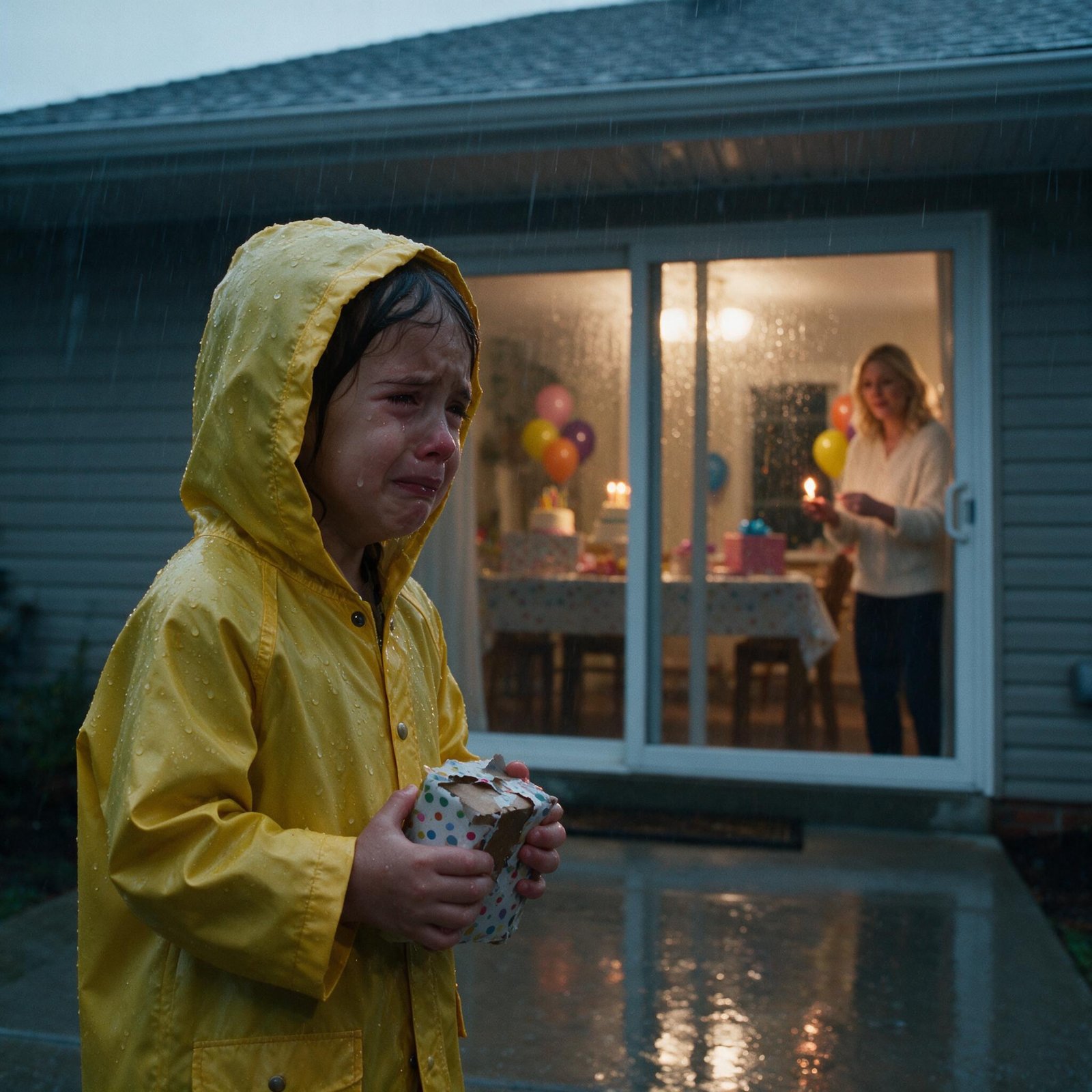
Rain began tapping the shop window as the three of them cleared the counter.
The bell above the glass door sounded before Daniel could place the old brown shoes back in their box.
Grace stood at the counter beside a nine-year-old girl in wet socks and the aunt and legal guardian who had brought her.
Part 3 of 5 · The Shoes He Sold for One Penny